Traveling from Central America or the Caribbean to Seattle is relatively straightforward, but it almost always involves one connection, usually through a major U.S. hub. There are currently no nonstop commercial flights from Central America or the Caribbean directly to Seattle, so planning your connection carefully matters.
Most travelers arrive at Seattle-Tacoma International Airport, commonly called Sea-Tac. Seattle is well connected domestically, so once you reach the United States, the final leg is typically easy and frequent.
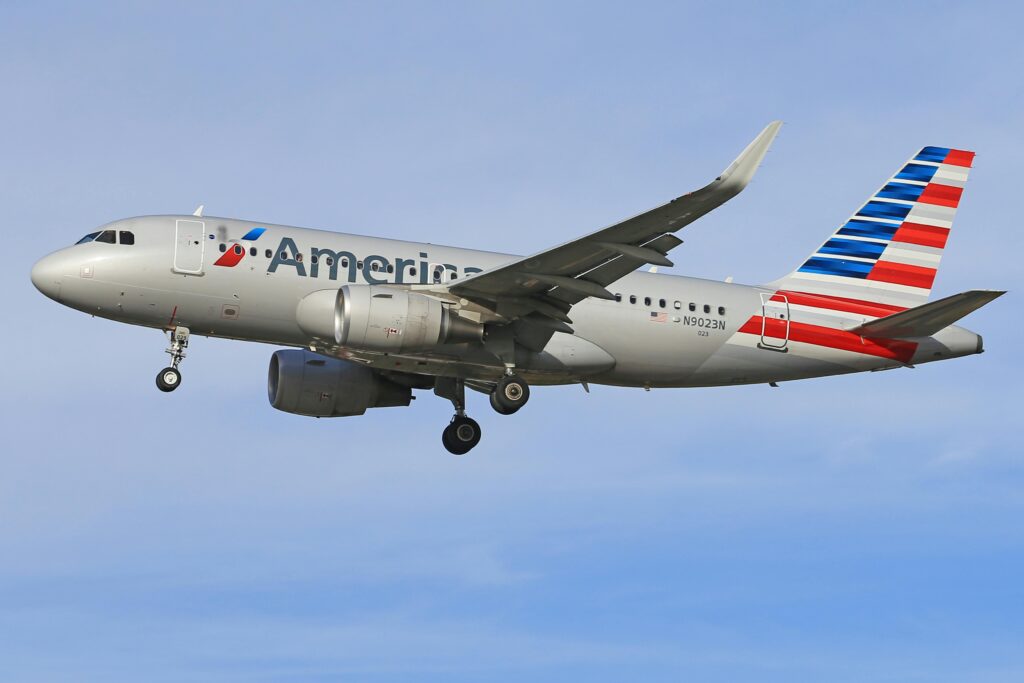
Common Flight Routes and Connection Cities
Most routes from Central America and the Caribbean connect through large U.S. airports with strong north-south flight networks. The most common connection cities include Los Angeles, Dallas–Fort Worth, Houston, Atlanta, Miami, and occasionally Denver or Phoenix. From these hubs, flights to Seattle run multiple times per day.
Some travelers also connect through Mexico City or Panama City before continuing to the United States. These routes can be efficient but depend on airline availability and visa requirements, so they require more advance planning.
Total travel time varies widely depending on your starting point and connection, but most trips take between twelve and eighteen hours door to door.
U.S. Immigration and Customs: What to Expect
If you are flying into the United States, you will clear U.S. immigration and customs at your first U.S. airport, not in Seattle if you are connecting onward. This is one of the most important details for travelers to understand.
You will:
- Go through passport control
- Collect your checked luggage
- Pass through customs
- Re-check your bags for your connecting flight
Because of this process, it is strongly recommended to allow at least two to three hours for your connection at the first U.S. airport, especially during busy travel periods.
Visa and Entry Considerations
Entry requirements depend on your passport. Some travelers may need a U.S. visa obtained in advance, while others may qualify for visa-free entry or electronic travel authorization depending on nationality.
Make sure all visa requirements are completed before booking flights. Airlines will not allow boarding without proper documentation, even for connecting passengers.
If you transit through another country, such as Mexico or Panama, check whether a transit visa is required for your nationality.
Arrival in Seattle
Once you arrive in Seattle, the airport experience is generally calm and well organized. Sea-Tac is large but clearly signed, with English as the primary language and staff accustomed to international travelers.
Getting from the airport to downtown Seattle typically takes 20 to 30 minutes. Options include light rail, taxis, rideshare services, and hotel shuttles. Light rail is often the simplest and most affordable choice for visitors staying downtown. Rental cars are also available from all major companies.
Practical Travel Tips
Flights from Central America and the Caribbean often arrive in Seattle in the late afternoon or evening. After a long travel day, it helps to have transportation and accommodations arranged in advance. Seattle’s summer weather is cooler than many travelers expect. Even in June and July, evenings can feel cool, so having a light jacket in your carry-on is useful. Jet lag is usually manageable, as the time difference is smaller than for travelers from Europe or Asia, but fatigue from long travel days is still common.
Summary
For travelers from Central America and the Caribbean, getting to Seattle is a one-connection journey that rewards planning. Choose a reliable U.S. hub, allow time for immigration procedures, and prepare for a cooler climate on arrival. Once you land, Seattle is easy to navigate and well prepared for international visitors.